Managefy version 1.6.5

Innovative Wärmeelemente für industrielle Anwendungen

Innovative Wärmeelemente für industrielle Anwendungen

In der modernen Industrie ist die effiziente Temperierung von Prozessen entscheidend für Produktivität und Qualität. Dabei spielen Wärmeelemente eine zentrale Rolle. Diese technischen Komponenten sorgen nicht nur für eine präzise Steuerung der Temperatur, sondern tragen auch zur Energieeffizienz und Kostensenkung bei. In diesem Artikel werden verschiedene Arten von Wärmeelementen, ihre Anwendungen und die neuesten Entwicklungen in diesem Bereich beleuchtet.

Typen von Wärmeelementen

Wärmeelemente sind in zahlreichen Varianten erhältlich, die jeweils spezifische Vorteile und Einsatzgebiete bieten. Zu den häufigsten Typen zählen:

  • Heizbänder: Diese flexiblen Elemente sind ideal für die Erwärmung von Rohren und Behältern. Sie lassen sich einfach montieren und bieten eine gleichmäßige Wärmeverteilung.
  • Keramische Heizplatten: Besonders geeignet für Hochtemperaturanwendungen, bieten sie Widerstandsfähigkeit und lange Lebensdauer.
  • Infrarot-Heizelemente: Diese Elemente verwenden Infrarotstrahlung, um Materialien direkt zu erwärmen, was zu effektiven Heizlösungen führt, insbesondere in der Lebensmittelindustrie.
  • Induktionsheizung: Eine neuere Technologie, die elektromagnetische Induktion nutzt, um Metall direkt zu erhitzen, ist in der Metallverarbeitung sehr geschätzt.

Anwendungen in der Industrie

Wärmeelemente finden Anwendungen in verschiedensten Industriezweigen. Ihr Einsatz umfasst unter anderem:

  1. Kunststoffverarbeitung: In Spritzgussmaschinen sind sie unerlässlich, um die Temperatur des Schmelzguts konstant zu halten.
  2. Lebensmitteltechnik: Hier sorgen Wärmeelemente dafür, dass Produkte gleichmäßig erhitzt und sicher verarbeitet werden.
  3. Metallverarbeitung: Beim Schweißen oder Härten von Metallen sind präzise Temperaturkontrollen entscheidend für die Materialqualität.

Gerade in der Lebensmittelindustrie ist es wichtig, nicht nur eine effiziente Wärmeübertragung zu gewährleisten, sondern auch höchste Hygienestandards zu erfüllen. Innovative Wärmeelemente helfen hierbei, indem sie leicht zu reinigen und äußerst langlebig sind.

Technologische Fortschritte und Innovationen

Die letzten Jahre haben bedeutende technologische Fortschritte im Bereich der Wärmeelemente hervorgebracht. Eine der bemerkenswertesten Entwicklungen ist die Digitalisierung und die Möglichkeit, Wärmeelemente in moderne Automatisierungssysteme einzubinden. Sensoren und intelligente Steuerungen ermöglichen die Überwachung und Anpassung der Temperatur in Echtzeit, was eine noch höhere Effizienz zur Folge hat.

Ein herausragendes Beispiel für solche Fortschritte ist die Innovation bei Frenztechnik. Das Unternehmen hat Technologien entwickelt, die nicht nur die Effizienz steigern, sondern auch die Benutzerfreundlichkeit erhöhen. Mit ihren neu entwickelten Heizsystemen können Industrieunternehmen signifikante Einsparungen im Energieverbrauch erzielen und gleichzeitig ihre Produktionsprozesse optimieren.

Vorteile innovativer Wärmeelemente

Die Verwendung innovativer Wärmeelemente bringt zahlreiche Vorteile mit sich:

  • Energieeffizienz: Durch die präzise Temperaturregelung wird der Energieverbrauch minimiert.
  • Verbesserte Produktqualität: Gleichmäßige Temperaturen führen zu besseren Verarbeitungsergebnissen.
  • Kosteneinsparungen: Persistente Forschung und Entwicklung haben zu kostengünstigeren Lösungen geführt, die auch die Betriebskosten senken.
  • Umweltfreundlichkeit: Durch den reduzierten Energieverbrauch leisten moderne Wärmeelemente auch einen Beitrag zur Schonung der Umwelt.

Die Zukunft der Wärmeelemente

Mit dem kontinuierlichen Fortschritt in der Technologie ist davon auszugehen, dass Wärmeelemente weiterhin eine Schlüsselrolle in der industriellen Anwendung spielen werden. Die Integration von Künstlicher Intelligenz und das Internet der Dinge (IoT) werden neue Möglichkeiten für die Leistung und Automatisierung bieten. Unternehmen, die diese Technologien nutzen, werden in der Lage sein, ihre Prozesse weiter zu optimieren, was zu einer höheren Wettbewerbsfähigkeit führt. Die Entwicklungen in diesem Bereich werden mit Sicherheit auch die Standards für Effizienz und Nachhaltigkeit neu definieren.


Common Mistakes When Setting Up Industrial Cameras (And How to Avoid Them)

Common Mistakes When Setting Up Industrial Cameras (And How to Avoid Them)

Industrial cameras are essential tools in modern manufacturing, quality control, and automation. Whether you’re using USB, CoaXPress, or gigabit cameras, a successful setup ensures reliability and accuracy in data acquisition. However, poor installation practices can lead to performance issues, data loss, or even complete failure of your vision system. In this article, we’ll walk through some of the most common setup mistakes — and, more importantly, how to avoid them — so your system is literally running with precision from day one.

1. Poor Lighting Conditions

Lighting is one of the most underestimated factors in machine vision. Industrial cameras are only as good as the image they capture, and insufficient or inappropriate lighting can compromise image quality.

  • Using ambient lighting instead of dedicated illumination
  • Ignoring the need for diffused light in reflective environments
  • Not compensating for changing light conditions

To avoid these pitfalls, assess your environment thoroughly. Implement dedicated lighting solutions that are designed for industrial use and test them under real operating conditions.

2. Incorrect Lens Selection

The camera might be state-of-the-art, but the wrong lens will limit its potential. A mismatch between lens and sensor size or focal length can lead to distorted or incomplete images.

  1. Match lens format with the camera’s sensor size.
  2. Choose focal lengths based on your required field of view.
  3. Consider distortion, especially for high-precision inspections.

High-quality lenses are not optional; they’re critical to ensuring consistent image performance across different applications.

3. Ignoring Bandwidth and Data Handling

High-resolution and high-frame-rate cameras, like gigabit cameras, demand robust data pipelines. Many setups fail because users don’t account for the sheer volume of data being transferred.

  • Using outdated cables or switches
  • Overloading the network with multiple devices
  • Neglecting to buffer data effectively

Always verify that your network infrastructure and host systems can handle the camera’s output. Use dedicated switches and ensure proper bandwidth allocation to prevent dropped frames or latency.

4. Lack of Synchronization in Multi-Camera Systems

When multiple cameras are deployed in a single application, synchronizing their capture timing is essential. Asynchronous captures can cause data misalignment, especially in 3D or stereo vision setups.

To avoid this mistake:

  1. Use trigger systems to align capture timing.
  2. Employ cameras that support hardware synchronization.
  3. Test synchronization under actual production speeds.

5. Overlooking Environmental Protection

Industrial environments can be harsh, with exposure to dust, moisture, vibration, and temperature fluctuations. Installing a camera without proper protection leads to premature failure and costly downtime.

  • Use enclosures rated for your environment (IP-rated for dust and water).
  • Implement vibration-dampening mounts if necessary.
  • Ensure temperature ranges are within the camera’s specs.

Always review the environmental specs of your cameras and choose accessories that extend their operational longevity.

6. Inadequate Software Configuration

Even the most advanced hardware needs the right software configuration to function optimally. This includes setting parameters like gain, exposure time, and trigger modes.

Common errors include:

  • Leaving default settings unchanged
  • Failing to calibrate for the specific application
  • Skipping firmware and driver updates

Work with your software tools to fine-tune camera settings based on real-world feedback. It’s also a good idea to perform regular software audits.

The Vision to Get It Right

Setting up industrial cameras isn’t just about plugging in a device — it’s about integrating it seamlessly into a complex system of optics, lighting, data handling, and environmental controls. Skipping over these details can literally derail an entire project. But when done right, the benefits are immense: speed, precision, and reliability in industrial processes. If you’re just starting or refining your setup, take time to research thoroughly and see all machine vision solutions available to ensure you’re not missing out on a better fit for your needs.

Florida Luxe: Bright, Bold, and Breezy Outfits That Impress

Florida Luxe: Bright, Bold, and Breezy Outfits That Impress

Florida fashion is not just an aesthetic; it’s a lifestyle. With sunshine, sandy beaches, and vibrant nightlife, fashion in Florida literally embraces the bold, the bright, and the breezy. Whether you’re visiting the Sunshine State for its picturesque coastlines or its lively cultural scene, understanding what to wear in Florida can elevate your experience by blending style and comfort seamlessly. This guide will walk you through how to embrace this luxe style in a way that impresses at every occasion.

The Essence of Floridian Fashion

Floridian style is influenced by its diverse environment and cultural melting pot. It’s about dressing in a way that mirrors the state’s vibrant and colorful spirit. Think flowing fabrics that dance with the breeze, palettes that reflect the shimmering ocean, and patterns as lively as Miami’s art deco district. At its core, Florida fashion is about effortless elegance with a strong emphasis on comfort.

Key Elements of Florida Luxe

Vibrant Color Palettes

If there’s one thing you need to embrace when dressing for Florida, it’s color. From the sunny yellows and tropical greens to the ocean blues and flamingo pinks, vibrant shades dominate Florida luxe fashion. Incorporating these colors in your outfits will not only help you blend in seamlessly but also enhance your overall mood.

Lightweight Fabrics

The Floridian climate can be my best friend or my worst enemy depending on the time of year. Lightweight fabrics such as cotton, linen, and chambray are ideal for keeping cool while staying chic. Maxi dresses, tailored shorts, and loose blouses are popular choices that let the air flow, keeping you comfortable in the heat and humidity.

Versatile Footwear

Florida is synonymous with a laid-back lifestyle, which extends to footwear. Sandals and espadrilles are your go-tos for relaxing by the beach or exploring local markets. For a more polished look, opt for a pair of stylish wedges or loafers that can transition from day to night seamlessly.

Accessorizing Florida-Style

  • Sun Protection: A wide-brimmed hat and chic sunglasses not only make for perfect fashion statements but are essential in any Floridian wardrobe to shield from the intense sun.
  • Bold Jewelry: Embrace bold and chunky pieces. Think statement necklaces and layerable bangles that add a touch of glamour to any outfit.
  • Beach-Ready Bags: Opt for straw totes or brightly colored handbags. These are both functional and stylish, perfect for a day at the beach or a casual stroll in town.

Special Occasions: Elevating Florida Luxe

For an upscale evening out or a special event, Florida luxe doesn’t skimp on glamour. Dresses with tropical prints or neutral tones paired with delicate accessories capture sophistication while maintaining a breezy feel. Lightweight blazers can add an air of elegance for cooler evenings, without compromising comfort.

  1. Beach Weddings: Embrace pastel-colored dresses or linen suits, ideal for a seaside setting.
  2. Cocktail Parties: A flowy, vibrant dress or a sleek jumpsuit paired with metallic accessories can make you stand out.
  3. Art Gallery Openings: Expressive outfits with unique cuts and bold prints resonate well, aligning with the local artistic flair.

Embodying the Florida Feel

Florida fashion is about more than just clothing—it’s about capturing the carefree, vibrant essence of the location. By integrating elements that reflect the state’s culture and environment, you’ll not only feel comfortable and stylish but will literally embody the spirit of Florida wherever you go. Remember, fashion is an expression of who you are, and there is no better place than Florida to literally see the Baindoux website to get fresh ideas and inspiration for your wardrobe refresh. Embrace the bright, the bold, and the breeze, and let your luxe style impress wherever you wander.

Benefits of Hiring a Data-Driven Marketing Agency

Benefits of Hiring a Data-Driven Marketing Agency

In the modern digital landscape, making decisions backed by concrete data is crucial for success. Enter the data-driven marketing agency, a service that has become indispensable for companies wanting to leverage cutting-edge analytics. By mastering the world of data, these agencies literally transform marketing strategies from guesswork into precision-targeted campaigns, gaining an edge over competitors. Let’s delve into the multifaceted benefits of partnering with a data-driven marketing agency and why it could be a game-changer for your brand.

Enhanced Target Audience Insights

Understanding your audience is the cornerstone of any successful marketing strategy. A data-driven marketing agency excels in collecting and analyzing vast quantities of data to provide deeper insights into consumer behavior. This comprehensive understanding allows brands to tailor their offerings uniquely to their target audiences.

  • Segmentation: Work with experts who segment your audience based on demographics, psychographics, buying behavior, and more.
  • Behavioral Analysis: Discover what drives your customers, predicting future behaviors and thus crafting ideal strategies.
  • Feedback Loops: Continuous data feedback enables constant adjustment and refinement of marketing efforts.

Increased Marketing ROI

One of the primary objectives of employing a data-driven approach is to maximize return on investment (ROI). With precision targeting and efficient resource allocation, a data-driven marketing agency can significantly improve the ROI of your campaigns.

  1. Cost Efficiency: Reduce wastage by effectively targeting only those individuals who are likely to convert.
  2. Performance Metrics: Regular reporting and data analysis ensure transparency and facilitate informed decision-making.
  3. Conversion Optimization: Use A/B testing and other tactics to fine-tune strategies for higher conversion rates.

Personalized Customer Experiences

In the era of hyper-personalization, customers expect brands to cater to their unique preferences. Data-driven marketing agencies leverage detailed analytics to create highly personalized experiences.

  • Tailored Content: Deliver customized messages, offers, and services that resonate with individual customers.
  • Omni-channel Engagement: Integrate various channels to provide a seamless and consistent customer experience.
  • Predictive Personalization: Use predictive analytics to anticipate customer needs and respond proactively.

Superior Competitive Edge

The competitive landscape is evolving rapidly, and staying ahead requires strategic adaptation. Partnering with a data-driven marketing agency like Socially Powerful can provide a significant competitive advantage. Here’s how:

  • Trend Identification: Stay ahead by capitalizing on emerging trends and adjusting your strategy in real time.
  • Benchmarking: Measure your performance against competitors and identify areas for improvement.
  • Innovation: Implement innovative marketing technologies and strategies to capture market share.

Fueling Innovation and Growth

Incorporating data-driven marketing strategies is no longer optional—it’s a necessity. Socially Powerful and similar agencies turn data insights into successful marketing campaigns that fuel business growth and innovation. Choosing to partner with a data-driven marketing agency means embracing precision, personalization, and performance, all pivotal for thriving in today’s fast-paced market.

Exploring Influencer Marketing Trends in Chicago

Exploring Influencer Marketing Trends in Chicago

The Rise of Influesidence: A New Wave in Marketing

In the vibrant landscape of Chicago, influencer marketing has taken on a revolutionized form, uniquely shaped by the city’s rich cultural tapestry and bustling urban energy. Historically recognized for its diverse communities, from Lincoln Park to Wicker Park, influencers here possess a unique “”influesidence””—a blend of influence and local presence—that accentuates their authenticity and relatability. These social media mavens are not just local celebrities; they are neighbors, friends, and familiar faces who resonate with the day-to-day life of Chicagoans. To dive deeper into the methodologies enhancing these efforts, you can literally read more about Socially Powerful efforts in Chicago to see how they leverage this scene effectively.

Trendy Niches That Thrive in the Windy City

Diverse and dynamic, Chicago’s influencer scene is brimming with niches that capture the essence of the city. Consider the thriving food and drink influencers, who explore everything from the Michelin-starred restaurants of the Loop to the hidden gems along the streets of Pilsen. When influencers effortlessly showcase culinary delights, they tap into the universal appeal for new dining experiences.

Moreover, the rise of health and wellness influencers reflects Chicago’s cultural embrace of active living, easily observable along the Lakefront Trail. Fashion and lifestyle influencers draw inspiration from the city’s unique architectural beauty, often showcasing iconic backdrops like the Cloud Gate and the historic Art Institute.

Audience Engagement Strategies: Building Community and Connection

In an era where authenticity reigns supreme, Chicago’s influencers base their strategies on one core principle: community connection. Unlike traditional advertising, influencer marketing allows brands to engage with audiences in a conversational, informal manner. Successful influencers leverage their Chicago roots to create content that speaks directly to the local populace’s interests, with emphasis on storytelling, authenticity, and participation.

  • User-Generated Content: Encouraging followers to share their experiences through strategic hashtags and giveaways fosters a sense of community belonging.
  • Interactive Campaigns: Campaigns incorporating polls, challenges, and Q&As enable influencers to harness feedback directly from their audience.
  • Live Events: Collaborating with local venues to host meet-and-greet events strengthens the local bond and brings online interactions into the tangible world.

Tech Innovations: Transforming the Influencer Space

As technology advances, so does the sophistication of influencer marketing strategies. In Chicago, these advancements have empowered influencers to diversify their reach and engagement methods. From virtual reality experiences that offer immersive demonstrations to augmented reality filters enhancing product try-ons, the digital era is literally reshaping how brands connect with consumers.

Additionally, the emergence of AI-driven analytics tools allows influencers and marketers to measure campaign effectiveness with precision, ensuring high-impact content that aligns with audience preferences—powerful capabilities that transform abstract engagement metrics into actionable insights.

Aligning with Chicago’s Business Ecosystem: Brand Collaborations and Partnerships

Chicago’s thriving business ecosystem offers a fertile ground for influencer collaborations. Local brands, from tech startups to established fashion houses, increasingly embrace influencer partnerships to revitalize their market presence. These collaborations often highlight local craftsmanship, sustainability, and innovative solutions.

  1. Local Partnerships: Teaming up with locally respected businesses fosters trust and enhances brand authenticity.
  2. Cross-Sector Ventures: Influencers deftly blending sectors—such as tech and wellness or gastronomy and sustainability—expand audience engagement potential.
  3. Sustainability Initiatives: Supporting eco-friendly endeavors aligns influencers with audiences that prioritize ethical consumption.

Chicago: Beyond Views and Likes

As influencers continue to reshape the digital marketing sphere in Chicago, it becomes clear that their power goes beyond mere views and likes. They are cultural connectors and creative storytellers, weaving narratives that resonate with the very soul of the city. In the Windy City, influencer marketing isn’t just a trend; it’s a profound shift in how we engage, inspire, and evolve with the communities around us.

Why SEO is Beneficial for Art Gallery Companies

Why SEO is Beneficial for Art Gallery Companies

As an art gallery, it’s important to stay ahead of the competition, and what better way to do this than through SEO? Search engine optimization (SEO) is the process of optimizing a website for higher visibility in search engines like Google, Bing, and Yahoo.

SEO is an essential tool that can help art gallery companies reach more potential customers and build their online presence. In this article, we’ll explore why SEO is beneficial for art gallery companies and how they can use it to their advantage.

Increase Visibility With Backlinks

The most important benefit of SEO is that it can help you increase your website’s visibility in search engine results. When potential customers search for art galleries in their area, you want your business to appear on the first page of the results.

SEO can help you achieve this goal by optimizing your website for relevant keywords, ensuring that your pages are properly indexed, and improving your website’s overall ranking. This can help you reach more customers and increase your sales. The most important factors for this are backlinks and linkbuilding, a site that offers great information about this is buybacklinks.club, or any other resource you can find at Google.

Better User Experience

SEO can also help you create a better user experience for your visitors. By optimizing your website for keywords related to art galleries, you can ensure that visitors are able to easily navigate your website and find what they’re looking for. Additionally, SEO can help you make sure your website is mobile-friendly, which is essential in today’s world as more and more people are using their phones and tablets to access the internet.

Build Brand Awareness

SEO can also help you build your brand awareness. When potential customers search for art galleries, you want your business to be the first thing they see. SEO can help you achieve this goal by optimizing your website for relevant keywords and ensuring that your pages are properly indexed.

Additionally, SEO can help you create content that is optimized for search engines and that will draw people to your website. This can help you build a strong online presence and increase your brand’s visibility. Also take care of your international strategy, for example, buy German backlinks if you want to rank in Germany, and do the same for other countries if you work internationally.

Stay Ahead of the Competition

Finally, SEO can help you stay ahead of the competition. As more and more art galleries turn to SEO to increase their visibility and reach more potential customers, it’s important to stay ahead of the game. By optimizing your website for relevant keywords and improving your website’s overall ranking, you can ensure that your business is the first one potential customers see when they search for art galleries in their area. This can help you build a strong online presence and stay ahead of the competition.

SEO is an essential tool for art gallery companies that want to stay ahead of the competition and reach more potential customers. By optimizing your website for relevant keywords and improving your website’s overall ranking, you can ensure that your business is the first one potential customers see when they search for art galleries in their area. Additionally, SEO can help you create a better user experience for your visitors and build your brand awareness. With SEO, you can stay ahead of the competition and increase your sales.

What is an art gallery?

What is an art gallery?

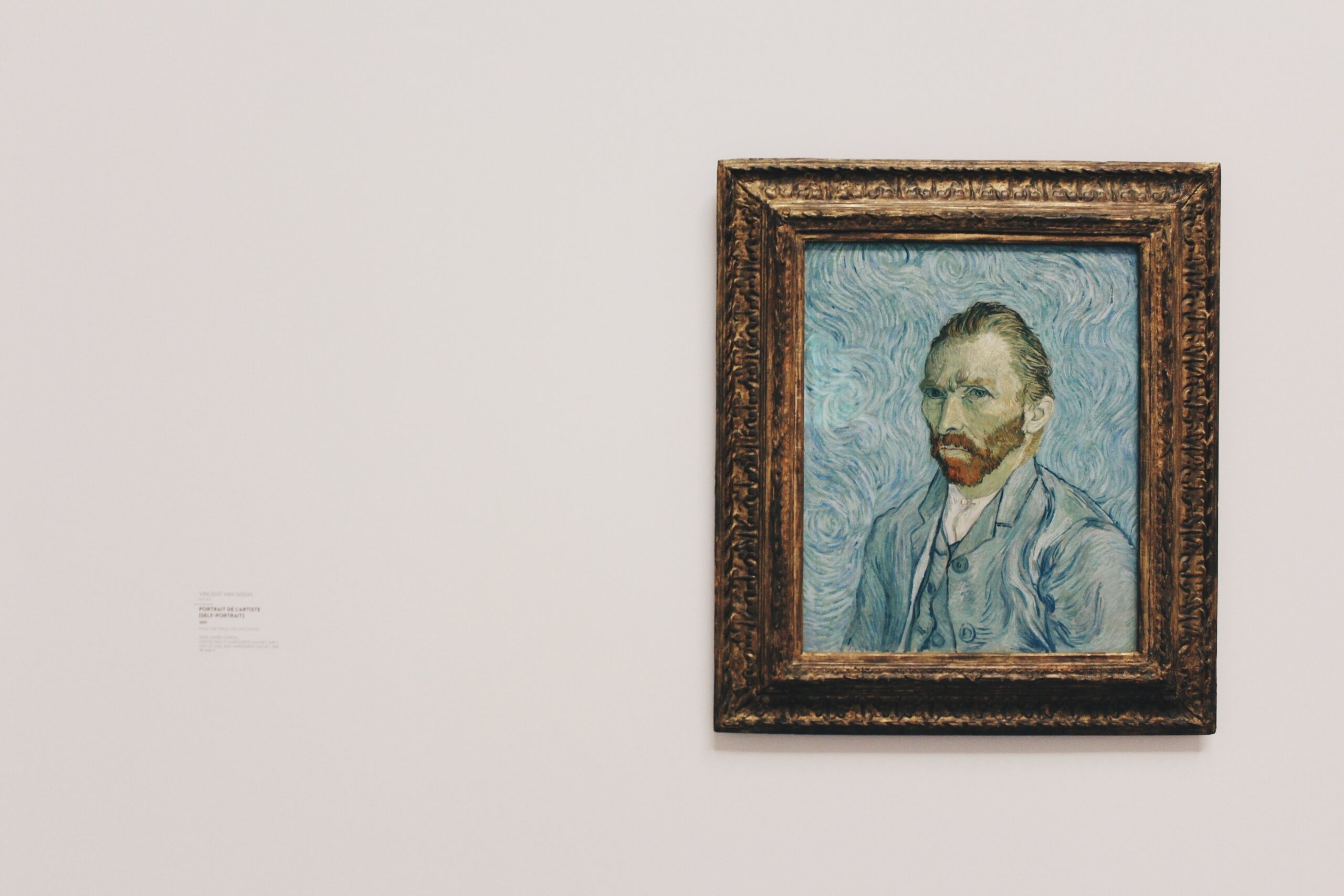
An art gallery, or art museum, is a place where people can go to admire, interact with, and learn about art and its history. Art galleries can be found all over the world, from large cities to small towns, and they serve as both workspaces and showcases for art.

How Do Art Galleries Make Money?

Art galleries make money by selling artwork, collecting the commission from sales, holding events or exhibitions, and receiving donations or grants. Art galleries may also offer educational programs and classes that generate revenue, or they may rent out their space to other businesses or organizations. Additionally, many art galleries and museums now have cafes, shops, and other amenities that can be a source of income.

Profits Through Pieces Sold

Art galleries often generate revenue by selling artwork directly to visitors or collectors. Generally, a commission fee is charged on artwork that is sold in order to cover the expenses of maintaining the space and the cost of displaying the artwork. These commissions vary from place to place and artist to artist, but can range from 10% to 50% of the sale price.

Fees From Events and Exhibitions

Art galleries can also generate money by renting out space for events and exhibitions. These events often involve a private viewing of the artwork in a particular space or room within the gallery. The fees associated with the events or exhibitions charge often vary depending on the size of the venue, the type of artwork involved, and the specific needs of the attendees.

Donations and Grants

Many art galleries rely on grants or donations from individuals or organizations in order to cover the cost of maintaining and displaying the artwork. Many cultural institutions, such as libraries and museums, may receive funds from governments or philanthropic foundations to support their work. Additionally, some art galleries may offer tax deductions or other incentives to individuals who become donors or sponsors.

Educational Programs and Classes

Many art galleries and museums offer educational programs and classes for those who wish to learn about art. These classes can range from a single day seminar to an extended program that covers a wide range of topics. Generally, the fees associated with these educational programs and classes can vary depending on the type of course and the level of difficulty.

Cafes, Shops and Other Amenities

Some art galleries and museums now offer cafes and stores on their premises. These amenities enable art galleries to generate revenue from the sale of food and beverages, as well as merchandise such as t-shirts, books and other gift items.

Conclusion

Art galleries can make money in a variety of ways, from selling artwork, to hosting events and exhibitions, to offering educational programs and classes. Additionally, many art galleries now have cafes, shops and other amenities that can be used to generate income. By diversifying the sources of their income, art galleries can continue to remain open and provide opportunities for people to enjoy and learn about art.

What is the Difference Between an Art Gallery and a Museum?

What is the Difference Between an Art Gallery and a Museum?

In many contexts, the terms art gallery and museum can be seen as interchangeable. However, there are some distinct differences between the two that distinguished them as separate institutions.

Definition of an Art Gallery

An art gallery is a building or space where works of art are exhibited and sold. This can include paintings, photographs, ceramics, sculptures, installations, and other works by established and emerging artists. It is generally run by a private individual, an artist collective, or an institution.

An art gallery’s primary goal is to serve as a showroom for the purpose of selling works of art. It may be a public space, or it may require an appointment to visit. Many art galleries have exclusive contracts with the artists they represent, almost like a private club.

Definition of a Museum

A museum is an institution dedicated to the research, preservation, and display of artifacts, artworks, and other objects of cultural and historical significance. Museums are generally funded by public or private sources and operated by volunteer staff members or paid professionals.

Unlike an art gallery, which is primarily focused on the sale and display of art, a museum may explore a variety of subjects and often have a broader educational mission. They may also feature interactive exhibits to engage visitors in the learning process.

Key Differences

When it comes to the differences between an art gallery and a museum, there are a few key aspects to consider.

Purpose

The primary purpose of an art gallery is to serve as a place to display and sell artwork, whereas a museum typically serves as a repository for artifacts and artworks with a focus on research and education.

Funding

Art galleries are generally privately owned and funded, while museums may receive funding from private and public sources.

Required Appointments

Many art galleries are private and require appointments to visit, while museums are generally open to the public.

Accreditation

Art galleries may be accredited or unaccredited, while museums that are considered to be of high quality generally receive some level of accreditation from a professional organization, such as the American Alliance of Museums.

Conclusion

When it comes to the differences between art galleries and museums, the primary purpose of each institution is the most important distinguishing factor. An art gallery is a place to view and purchase artwork, whereas a museum is typically a repository for artifacts and artworks with a focus on research and education. Additionally, art galleries are generally privately owned and funded, while museums may receive funding from private and public sources.

Why is Art Important in Europe?

Why is Art Important in Europe?

Art is an expression of the soul. It is a physical manifestation of one’s emotions, thoughts, and ideas. It can be created through virtually any medium — music, paintings, sculpture, poems, and more. Art encourages us to think about life and our place in it in more creative ways. More importantly, it challenges us to think about how we use the materials around us to express our feelings, ideas, and opinions.

In essence, art is an active engagement with the physical world. It is an intricate exploration of form, color, and style. It gives form to our thoughts and emotions, and creates a space for contemplation and dialogue. By stimulating our senses and pushing us to think beyond our own boundaries, art can open our minds to new possibilities. It can also serve as an avenue for connecting with others, both authentically and meaningfully.

Why is Art Important?

Art has the unique ability to tell stories in a way that words alone cannot. It can transcend language and cultural boundaries to convey common human truths. By creating meaningful connections between the artist, the artwork, and the viewer, it can provide insights into our shared humanity.

Art also plays an important role in helping us better understand ourselves and our identity. Through its honest and often-provocative depictions of our inner worlds, it can give us a greater understanding of our emotions, our beliefs, and our experiences. By encouraging us to look introspectively and to ask questions, it can help us build a more authentic relationship with ourselves and our environment.

Art also has the power to transform our lives. It can help us make sense of difficult times, and provide a means of expressing our emotions. It can open new worlds of possibility, start conversations, and inspire lasting change. As well, it offers a sense of connection and community, which is particularly important in times of isolation and uncertainty.

Conclusion

Art has the unique ability to capture and express the human experience. It offers us a space for contemplation and exploration, and can help us build meaningful connections with one another. It also has the power to bring us joy, to help us make sense of difficult times, and to inspire lasting change. Ultimately, art is essential to our well-being and our evolution as a species.

What is Art?

What is Art?

Art can be defined in various ways, and often the definition is based on the personal preference of the artist or viewer. Generally, however, art is said to be the expression of an idea or concept to create a visual experience or object. It can be any kind of visual representation, such as painting, music, photography, theatre or films. Art is often seen as subjective because it is created by individuals and enjoyed differently by each person.

Types of Art

Art can come in various forms, such as drawing, painting, sculpture, ceramics, photography, installation art, jewelry design, playwriting, performance art, music, cinema, and more. There are many different genres of art, from classical to modern and from abstract to representational.

Drawing and painting are two of the most popular forms of art. Painting is the process of applying pigment to a surface and producing a work of art. Drawing can be done using a variety of mediums, from pencils, pens, and markers to charcoal, ink, and oils.

Sculpture is the art of creating three-dimensional works of art, often with the help of a specialized sculpting tool. It could be made from materials such as clay, stone, bronze, or marble, and is typically meant to represent something or someone.

Ceramics is the practice of constructing or making ceramic wares, typically decorative or functional pottery. It is usually made from clay that has been rolled, molded, and fired in a kiln.

Photography is the art of capturing images with a camera. It can be done on film, digitally, or through digital or analog media.

Installation art is a form of art that uses a variety of found objects, lights, sound, and even smells to create a sensory environment in a given physical space. It is a type of art that is often interactive, allowing the audience to interact with the artist by manipulating the elements within the space.

Jewelry design is used to create pieces of ornamentation such as necklaces, rings, pendants, and brooches. It is a creative art form that uses materials such as gold, silver, gems, crystal, and pearls.

Playwriting is the process of writing scripts for theatrical performances. It is typically used to create a new story that is then performed by actors to entertain audiences.

Performance art is an interdisciplinary art form that incorporates elements of theater, music, sculpture, sand, paint, and video to create an experience for the audience.

Music is the art of producing sound by combining various notes, instruments, and vocal elements.

Cinema is a form of art that is used to create motion pictures.

Purpose of Art

The purpose of art varies according to its genre and its creator. Some art is created to communicate an idea or message, while other art is created to be enjoyed or appreciated. Art can also be used to express emotion, to heal, to entertain, or to make money. It can also be seen as a tool for education and for advancing knowledge.

Art also serves a social purpose. It can be used to inspire conversations about important topics such as politics, culture, and history. By viewing and interpreting art, people can gain insights into the opinions, beliefs, and cultures of other people.

Art is also seen as a form of self-expression and has the potential to bring joy to people. Art can also be used to connect people of different cultures and backgrounds, creating a sense of belonging and understanding.

Conclusion

The definition of art is subjective and varies according to the individual or group that is creating or experiencing it. It can come in many forms and has many purposes, including communication, enjoyment, learning, and self-expression. Art is important because it has the potential to bring people together, to foster a sense of understanding, and to bring joy to those who experience it.