Managefy version 1.6.5

What is an art gallery?

What is an art gallery?

An art gallery, or art museum, is a place where people can go to admire, interact with, and learn about art and its history. Art galleries can be found all over the world, from large cities to small towns, and they serve as both workspaces and showcases for art.

How Do Art Galleries Make Money?

Art galleries make money by selling artwork, collecting the commission from sales, holding events or exhibitions, and receiving donations or grants. Art galleries may also offer educational programs and classes that generate revenue, or they may rent out their space to other businesses or organizations. Additionally, many art galleries and museums now have cafes, shops, and other amenities that can be a source of income.

Profits Through Pieces Sold

Art galleries often generate revenue by selling artwork directly to visitors or collectors. Generally, a commission fee is charged on artwork that is sold in order to cover the expenses of maintaining the space and the cost of displaying the artwork. These commissions vary from place to place and artist to artist, but can range from 10% to 50% of the sale price.

Fees From Events and Exhibitions

Art galleries can also generate money by renting out space for events and exhibitions. These events often involve a private viewing of the artwork in a particular space or room within the gallery. The fees associated with the events or exhibitions charge often vary depending on the size of the venue, the type of artwork involved, and the specific needs of the attendees.

Donations and Grants

Many art galleries rely on grants or donations from individuals or organizations in order to cover the cost of maintaining and displaying the artwork. Many cultural institutions, such as libraries and museums, may receive funds from governments or philanthropic foundations to support their work. Additionally, some art galleries may offer tax deductions or other incentives to individuals who become donors or sponsors.

Educational Programs and Classes

Many art galleries and museums offer educational programs and classes for those who wish to learn about art. These classes can range from a single day seminar to an extended program that covers a wide range of topics. Generally, the fees associated with these educational programs and classes can vary depending on the type of course and the level of difficulty.

Cafes, Shops and Other Amenities

Some art galleries and museums now offer cafes and stores on their premises. These amenities enable art galleries to generate revenue from the sale of food and beverages, as well as merchandise such as t-shirts, books and other gift items.

Conclusion

Art galleries can make money in a variety of ways, from selling artwork, to hosting events and exhibitions, to offering educational programs and classes. Additionally, many art galleries now have cafes, shops and other amenities that can be used to generate income. By diversifying the sources of their income, art galleries can continue to remain open and provide opportunities for people to enjoy and learn about art.

What is Art?

What is Art?

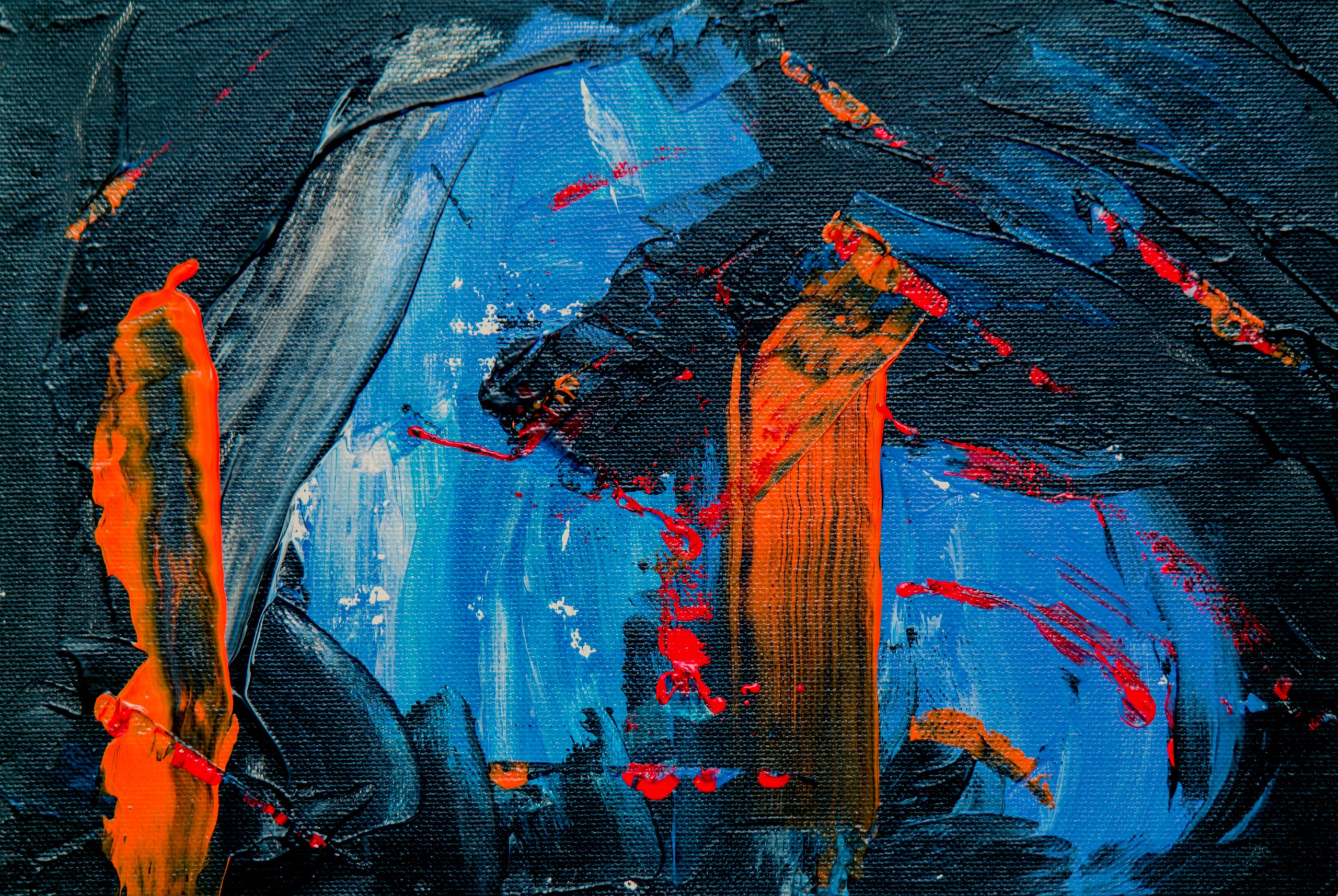
Art can be defined in various ways, and often the definition is based on the personal preference of the artist or viewer. Generally, however, art is said to be the expression of an idea or concept to create a visual experience or object. It can be any kind of visual representation, such as painting, music, photography, theatre or films. Art is often seen as subjective because it is created by individuals and enjoyed differently by each person.

Types of Art

Art can come in various forms, such as drawing, painting, sculpture, ceramics, photography, installation art, jewelry design, playwriting, performance art, music, cinema, and more. There are many different genres of art, from classical to modern and from abstract to representational.

Drawing and painting are two of the most popular forms of art. Painting is the process of applying pigment to a surface and producing a work of art. Drawing can be done using a variety of mediums, from pencils, pens, and markers to charcoal, ink, and oils.

Sculpture is the art of creating three-dimensional works of art, often with the help of a specialized sculpting tool. It could be made from materials such as clay, stone, bronze, or marble, and is typically meant to represent something or someone.

Ceramics is the practice of constructing or making ceramic wares, typically decorative or functional pottery. It is usually made from clay that has been rolled, molded, and fired in a kiln.

Photography is the art of capturing images with a camera. It can be done on film, digitally, or through digital or analog media.

Installation art is a form of art that uses a variety of found objects, lights, sound, and even smells to create a sensory environment in a given physical space. It is a type of art that is often interactive, allowing the audience to interact with the artist by manipulating the elements within the space.

Jewelry design is used to create pieces of ornamentation such as necklaces, rings, pendants, and brooches. It is a creative art form that uses materials such as gold, silver, gems, crystal, and pearls.

Playwriting is the process of writing scripts for theatrical performances. It is typically used to create a new story that is then performed by actors to entertain audiences.

Performance art is an interdisciplinary art form that incorporates elements of theater, music, sculpture, sand, paint, and video to create an experience for the audience.

Music is the art of producing sound by combining various notes, instruments, and vocal elements.

Cinema is a form of art that is used to create motion pictures.

Purpose of Art

The purpose of art varies according to its genre and its creator. Some art is created to communicate an idea or message, while other art is created to be enjoyed or appreciated. Art can also be used to express emotion, to heal, to entertain, or to make money. It can also be seen as a tool for education and for advancing knowledge.

Art also serves a social purpose. It can be used to inspire conversations about important topics such as politics, culture, and history. By viewing and interpreting art, people can gain insights into the opinions, beliefs, and cultures of other people.

Art is also seen as a form of self-expression and has the potential to bring joy to people. Art can also be used to connect people of different cultures and backgrounds, creating a sense of belonging and understanding.

Conclusion

The definition of art is subjective and varies according to the individual or group that is creating or experiencing it. It can come in many forms and has many purposes, including communication, enjoyment, learning, and self-expression. Art is important because it has the potential to bring people together, to foster a sense of understanding, and to bring joy to those who experience it.